This page contains Amazon affiliate links. We may earn a small commission at no extra cost to you.
Products for deep, restorative sleep
From luxury bedding to natural supplements — everything chosen to help you fall asleep, stay asleep, and wake up restored.
A temperature-regulating mattress topper is one of the highest-impact investments you can make for perimenopausal sleep. Premium options use phase-change material or active cooling technology to draw heat away from your body and maintain a consistent sleep temperature — eliminating the 2am kick-the-covers-off cycle that fragments your sleep.
Pure mulberry silk pillowcases (22 momme and above) stay naturally cool against the skin, reduce friction on thinning perimenopausal hair, and are less likely to absorb the facial oils and products in your evening skincare routine. A genuinely useful luxury — look for OEKO-TEX certified options to ensure the silk is free from harmful chemicals.

A contoured, weighted silk or cotton eye mask blocks light completely — crucial for melatonin production — while the gentle pressure on the eyes activates the vagus nerve, reducing anxiety and heart rate. Far more effective than a basic sleep mask, and one of the most affordable high-impact sleep upgrades available. Look for mulberry silk with memory foam beads.
White noise masks the unpredictable sounds that trigger micro-awakenings — the leading cause of fragmented sleep in lighter sleepers. Premium machines offer a range of sound profiles (white, pink, brown noise; fan; rain) and are far superior to phone apps because they produce continuous, non-looping sound. The Yogasleep and LectroFan ranges are consistently top-rated.
A magnesium-infused body oil applied 30 minutes before bed combines the transdermal absorption of magnesium (supporting muscle relaxation and GABA activity) with the nervous-system calming of lavender and chamomile essential oils. This Works Deep Sleep Body Oil is a perennial favorite — pricier than a supplement but the ritual signals to your body that sleep is coming, which itself is valuable.
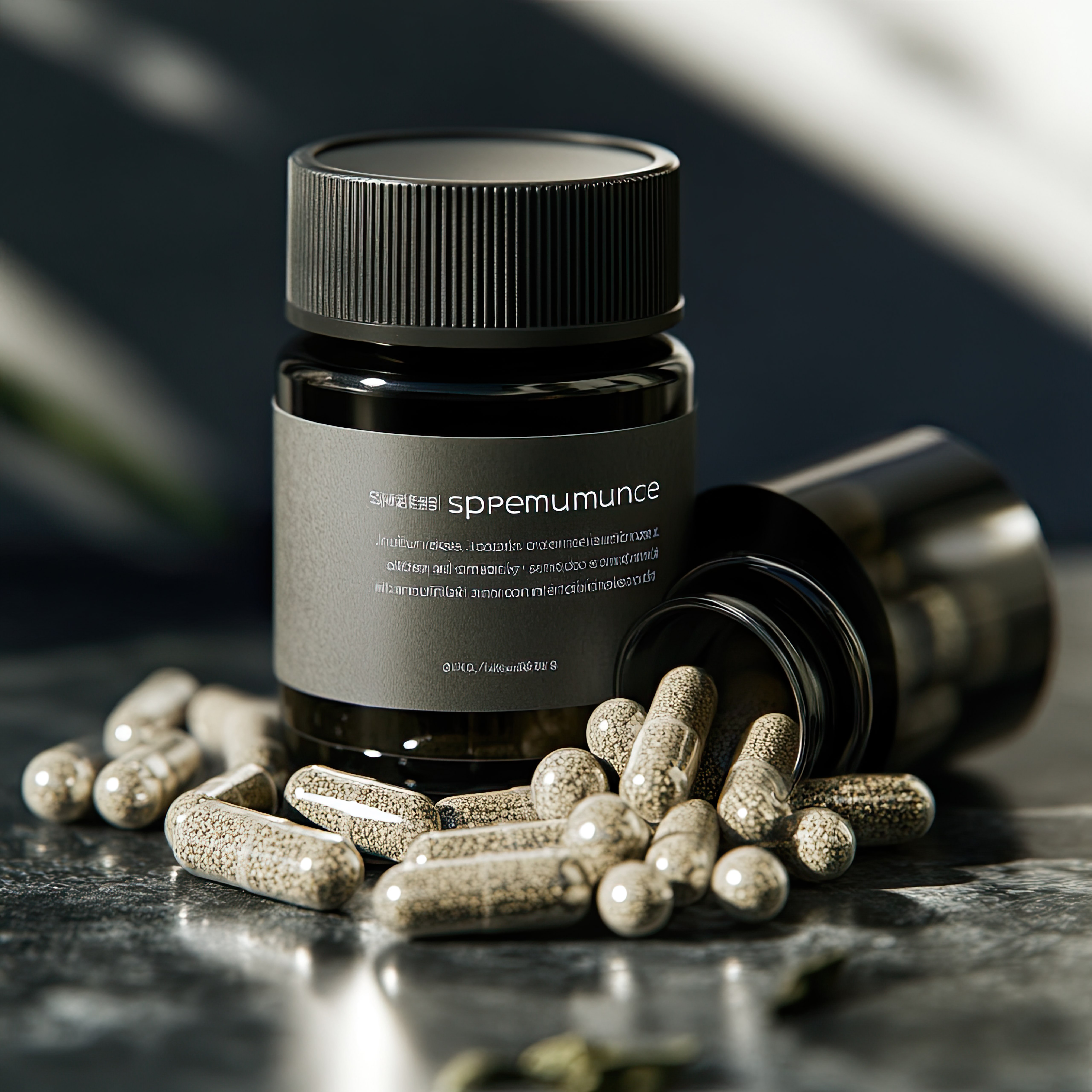
If you add only one supplement for sleep, make it magnesium glycinate. Magnesium activates GABA receptors (calming the nervous system), relaxes muscles, and supports the production of melatonin. The glycinate form is the most bioavailable and the gentlest on the digestive system. Take 300–400mg 1–2 hours before bed. A consistent 4–6 week course shows the most significant improvement in sleep quality.