This page contains Amazon affiliate links. We may earn a small commission at no extra cost to you.
Nourishment tools & supplements
Products that make eating well easier, more pleasurable, and more aligned with what your body needs right now.
Ceremonial grade matcha — whisked in a traditional chawan with a bamboo chasen — is one of the most powerful rituals you can build into a perimenopausal day. Matcha contains L-theanine alongside caffeine, producing a calm, sustained focus without the cortisol spike of coffee. Its high antioxidant content (EGCG) supports cellular health, and the ritual itself creates a moment of pause that regulates the nervous system. A premium matcha set transforms a daily habit into a genuinely beautiful practice.
A masticating (cold press) juicer extracts juice at low speed without generating heat, preserving significantly more enzymes, vitamins, and phytonutrients than centrifugal juicers. For perimenopausal women, daily green juices — celery, cucumber, dark leafy greens, ginger, lemon — provide a concentrated dose of the minerals and antioxidants that support adrenal health, liver detoxification, and estrogen clearance. Brands like Hurom and Kuvings are the gold standard.
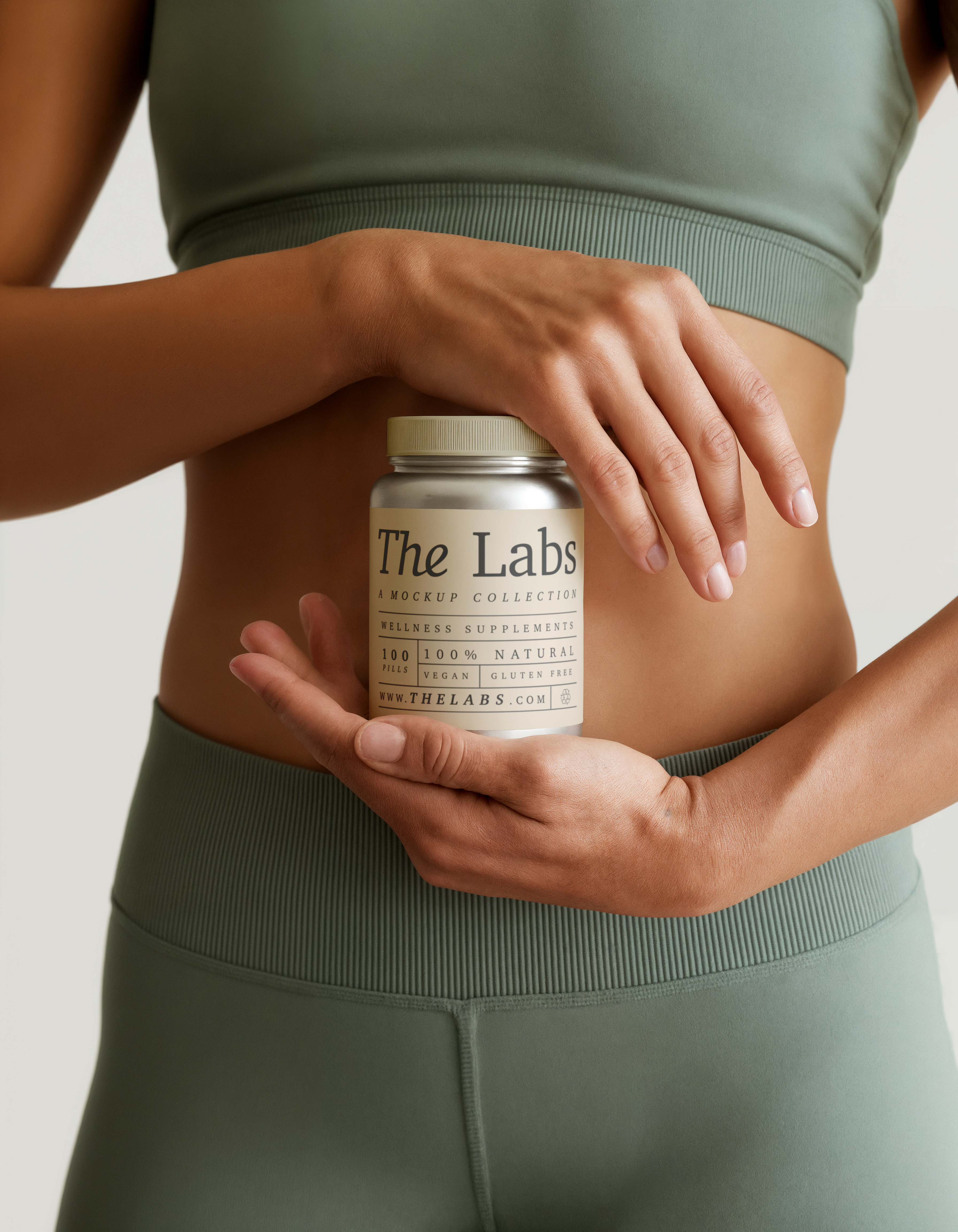
Collagen production drops sharply in perimenopause — by as much as 30% in the first five years after menopause. A hydrolysed collagen peptide powder (Types I and III) taken daily stimulates fibroblast activity, supporting skin elasticity, joint cushioning, gut lining integrity, and hair and nail strength. Look for grass-fed bovine or wild-caught marine collagen with no added fillers; unflavoured varieties mix invisibly into hot drinks, smoothies, and soups.
Seed cycling is a nutritional practice rooted in whole-food hormone support: specific seeds are rotated in alignment with the two phases of the menstrual cycle (or the lunar cycle for women whose cycles are irregular). Flax and pumpkin seeds in the follicular phase support estrogen metabolism; sunflower and sesame seeds in the luteal phase support progesterone. A quality seed cycling kit takes the guesswork out with pre-portioned, organic, freshly ground seed blends for each phase.
A high-quality greens powder bridges the gap between what we know we should eat and what we actually eat on busy days. Look for formulations that combine dark leafy greens (spirulina, chlorella, wheatgrass) with adaptogenic herbs (ashwagandha, rhodiola), digestive enzymes, and probiotics — rather than just dried fruit and vegetable powders. Vital Proteins, AG1, and Organifi are consistently among the most rigorously formulated options.
Protein requirements increase significantly in perimenopause: estrogen's anabolic effect on muscle is declining, and without adequate protein (at least 1.2–1.6g per kg of bodyweight daily), muscle loss accelerates and metabolic rate drops. A clean, unflavoured whey isolate or a plant-based blend (pea + rice) that delivers 25–30g of protein per serving makes hitting that target achievable. Avoid formulations with artificial sweeteners, which can disrupt the gut microbiome.