This page contains Amazon affiliate links. We may earn a small commission at no extra cost to you.
Supplements & tools for hormonal support
Chosen for quality, bioavailability, and alignment with both TCM principles and modern endocrinology research.
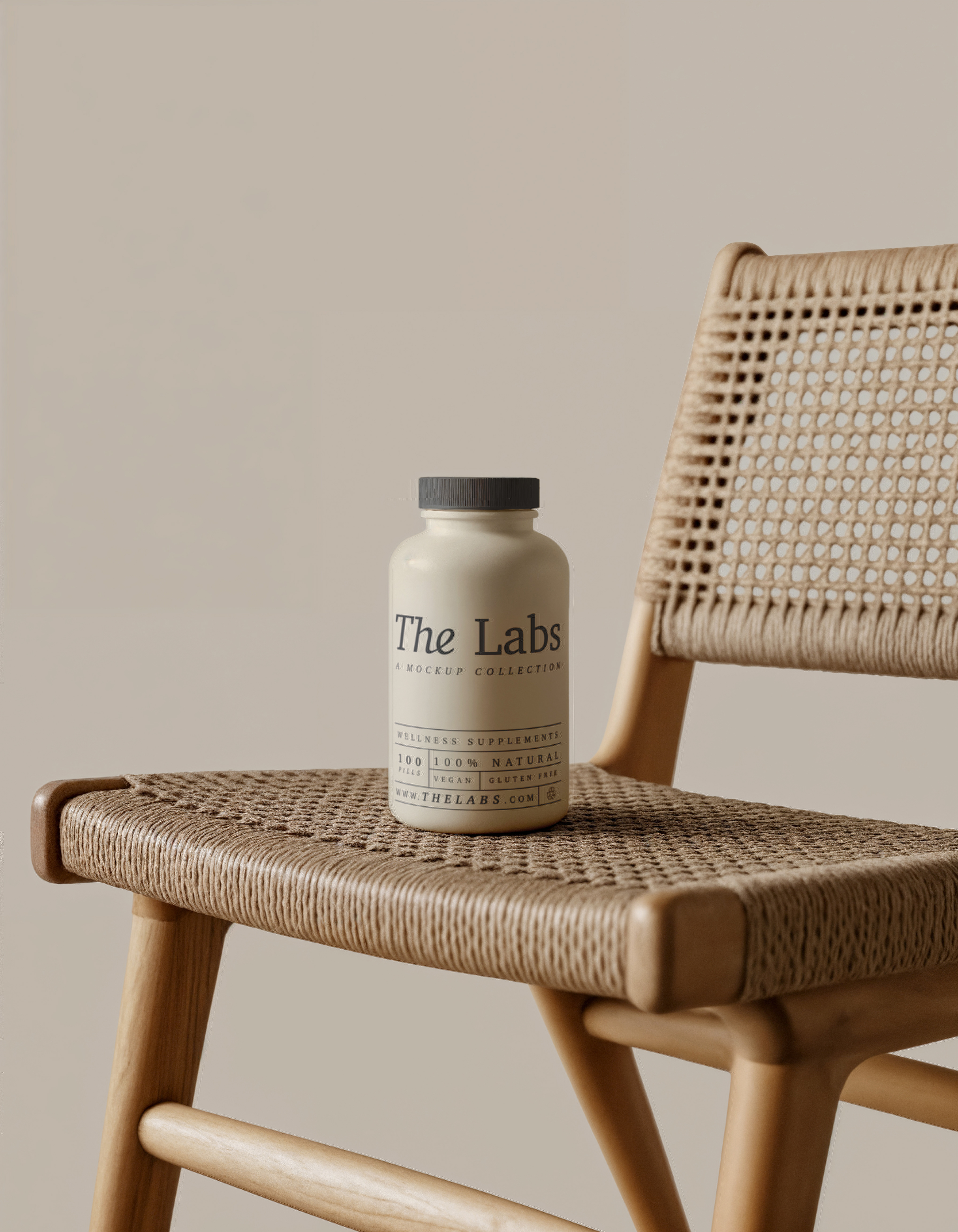
Diindolylmethane (DIM) is a compound derived from cruciferous vegetables that supports healthy estrogen metabolism — encouraging the conversion of estrogen into its beneficial, less proliferative metabolites. Particularly useful for women experiencing estrogen dominance symptoms: heavy periods, breast tenderness, bloating, and mood changes in the luteal phase. Look for a formulation with BioPerine (black pepper extract) for enhanced absorption.
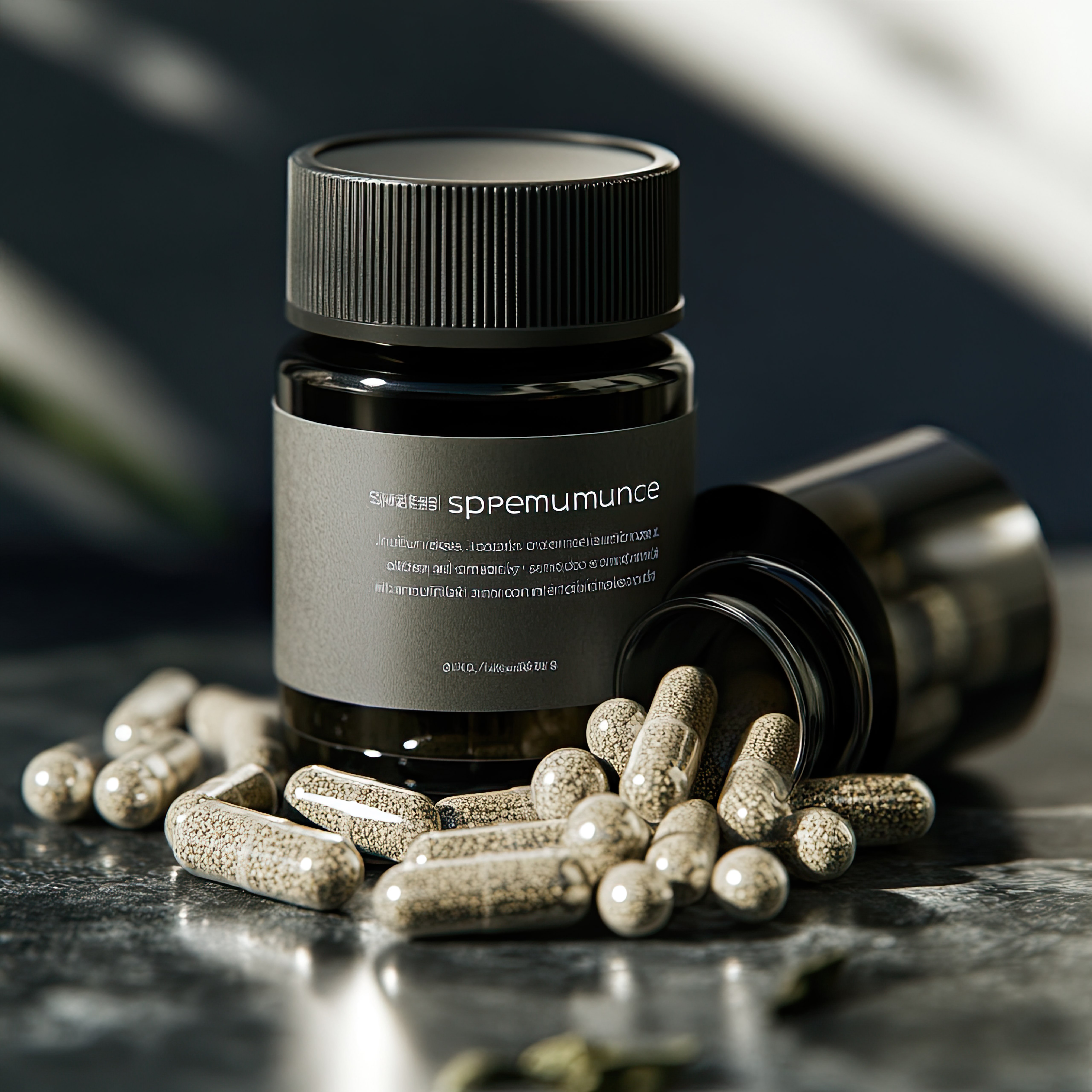
Vitex agnus-castus (chasteberry) is one of the most studied herbs for hormonal balance in women. It works by acting on the pituitary gland to support progesterone production — making it particularly useful for the luteal phase deficiency that characterises early perimenopause. Benefits typically emerge after 3 months of consistent use. Best taken in the morning, and avoided if you are on hormonal contraception or HRT.

Myo-inositol is emerging as one of the most important supplements for perimenopausal women, particularly those experiencing blood sugar dysregulation, weight gain around the middle, and mood instability. It improves insulin sensitivity, supports ovarian function, and has a direct calming effect on the nervous system via its role in serotonin signalling. The 40:1 ratio of myo-inositol to D-chiro-inositol mirrors the body's own ratio.
Evening primrose oil is rich in gamma-linolenic acid (GLA), an omega-6 fatty acid that the body uses to produce prostaglandins — hormone-like compounds involved in regulating inflammation, breast tenderness, and the fluidity of cervical mucus. Particularly useful for women experiencing breast pain, eczema, and skin dryness associated with hormonal change. Take with food for best absorption.
A basal body thermometer measures temperature to two decimal places — sensitive enough to detect the 0.2–0.5°C rise that confirms ovulation has occurred. Tracking your basal body temperature (BBT) daily gives you a clear window into whether and when you're ovulating, how your luteal phase is holding up, and whether your cycles are shortening — one of the earliest signs of perimenopause. A genuinely empowering data point for understanding your own hormonal rhythms.
A dedicated cycle-tracking journal pairs beautifully with BBT data to build a complete picture of your hormonal patterns across the month. The best ones track energy, mood, sleep quality, appetite, libido, and symptoms alongside cycle phases — making it easy to spot patterns that your doctor's appointment won't have time to reveal. Understanding your individual pattern is the foundation of everything else on this page.